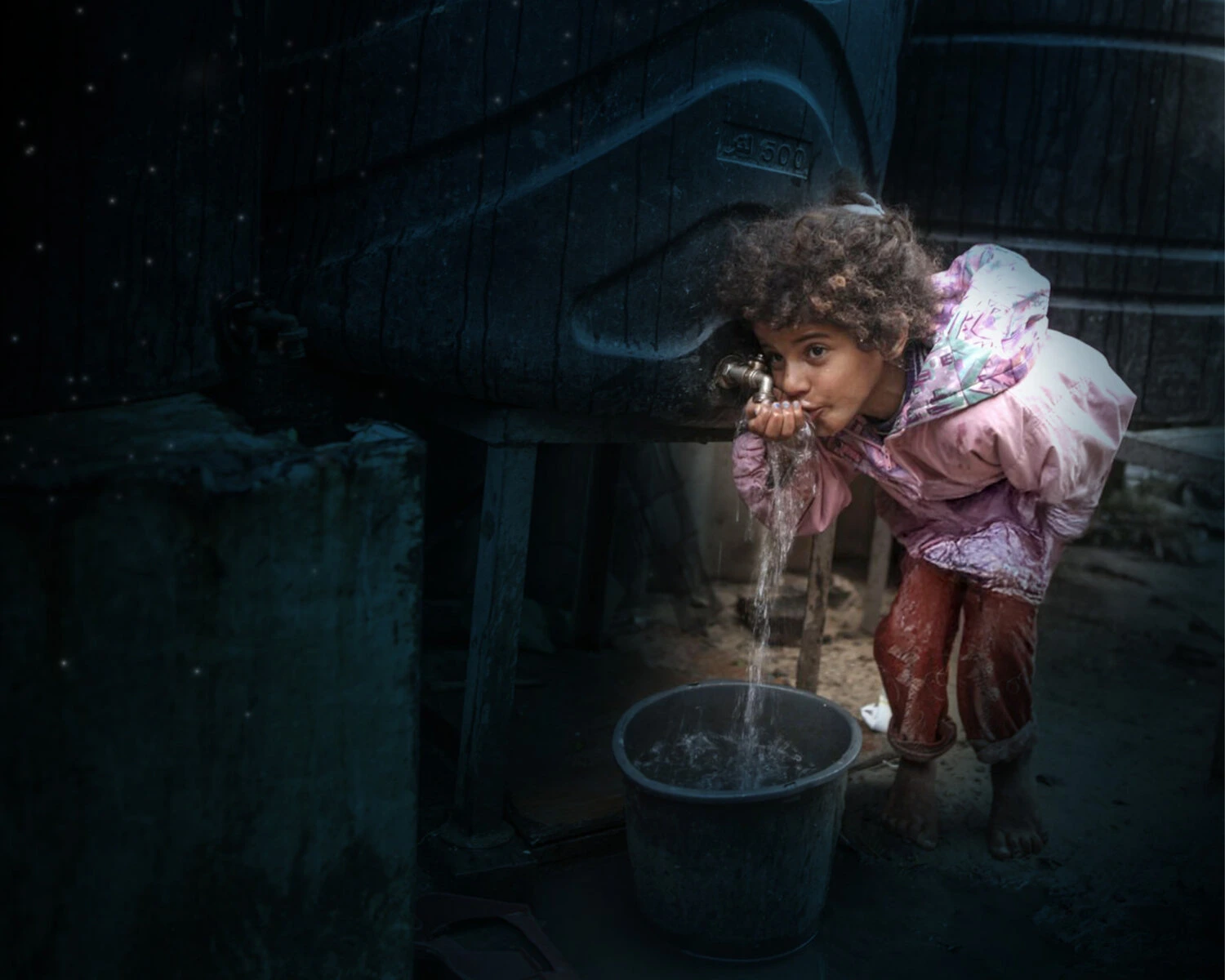
Water is life. It sounds simple, but for 2 billion people around the world, access to clean water is a daily struggle. Women and children walk hours each day to fetch water that is often contaminated. Disease spreads. Schools are missed. Economic potential is wasted. Droplets of Mercy's Water For Life program is changing this reality, one well at a time.
The Water Crisis in Numbers
Before we discuss solutions, let us understand the scale of the problem:
- 2 billion people lack access to safely managed drinking water.
- 3.6 billion people do not have safely managed sanitation.
- 1 million people die each year from water, sanitation, and hygiene-related diseases.
- 200 million hours are spent daily by women and girls collecting water.
Behind every statistic is a person — a mother who cannot work because she spends her day fetching water, a child who cannot attend school because they are sick from contaminated water, a farmer who cannot irrigate their crops.
Our Approach: More Than Just Wells
Droplets of Mercy does not simply dig holes and install pumps. Our Water For Life program follows a comprehensive approach:
1. Community Assessment
Our local teams assess water needs, groundwater availability, soil conditions, and community demographics before any construction begins. This ensures every well is placed where it will serve the most people for the longest time.
2. Appropriate Technology
We use the right technology for each location — hand pumps for smaller villages, solar-powered pumps for larger communities, and gravity-fed systems where terrain allows. Each well is built with local materials and expertise wherever possible.
3. Community Training
Before handover, we train local water committees in maintenance, hygiene education, and financial management. This ensures the well remains functional long after our team leaves.
4. Monitoring and Support
We conduct follow-up visits to check functionality, water quality, and community satisfaction. Our goal is not just to build wells, but to ensure they keep flowing for decades.
Impact: What Clean Water Changes
When a community gains access to clean water, the transformation is immediate and profound:
Health
Waterborne diseases like cholera, typhoid, and diarrhea drop dramatically. Children stop dying from preventable illness. Healthcare costs decrease. Life expectancy rises.
Education
Girls who previously spent hours fetching water can now attend school. Teachers have clean water for drinking and handwashing. School attendance increases by an average of 20%.
Economy
With time freed from water collection, women start businesses. Farmers irrigate crops. Communities become more productive and self-sufficient.
Where We Build
Our Water For Life wells are active in multiple countries across Africa and Asia. In each location, we partner with local organizations and government water departments to ensure alignment with national priorities and long-term sustainability.
Each well is named after its donor (with their permission) and marked with a plaque recognizing the contribution. Donors receive photos, GPS coordinates, and community stories documenting the impact of their well.
How to Fund a Well
Building a well is one of the highest forms of Sadaqah Jariyah — continuous charity that earns reward as long as people benefit. You can:
- Fund an entire well as an individual, family, or group.
- Contribute toward a well as part of a collective donation.
- Dedicate a well in memory of a loved one.
- Make a monthly contribution toward ongoing maintenance.
Build a well today and create a lasting legacy of clean water for generations to come.
"The best charity is giving water to drink." — Prophet Muhammad (peace be upon him)