Breaking Cycles, Building Futures: Why the Al Huda Girls Centre in Namanga, Kenya is More Than Relief
Just days after officially opening our implementation office in Kenya, the Droplets of Mercy Kenya team got straight to work.
In partnership with Dr. Hamid Slimi and the Sayeda Khadija Centre, we have broken ground on our flagship project: the Al Huda Girls Orphan and Education Centre in Namanga, Kajiado County.
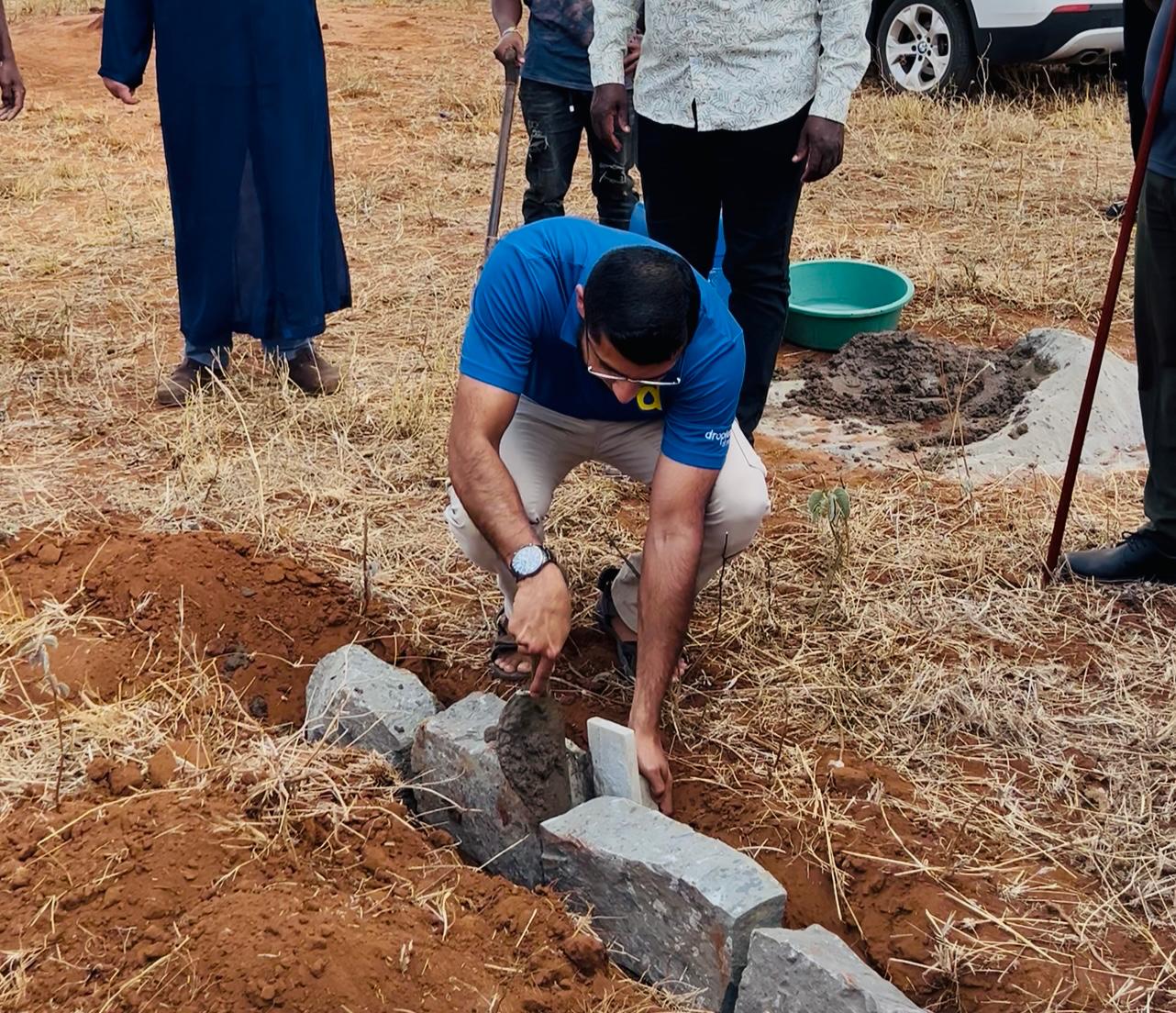
This project reflects the core mission of Droplets of Mercy: we are not here to offer short-term relief; we are here to eliminate dependency on aid.
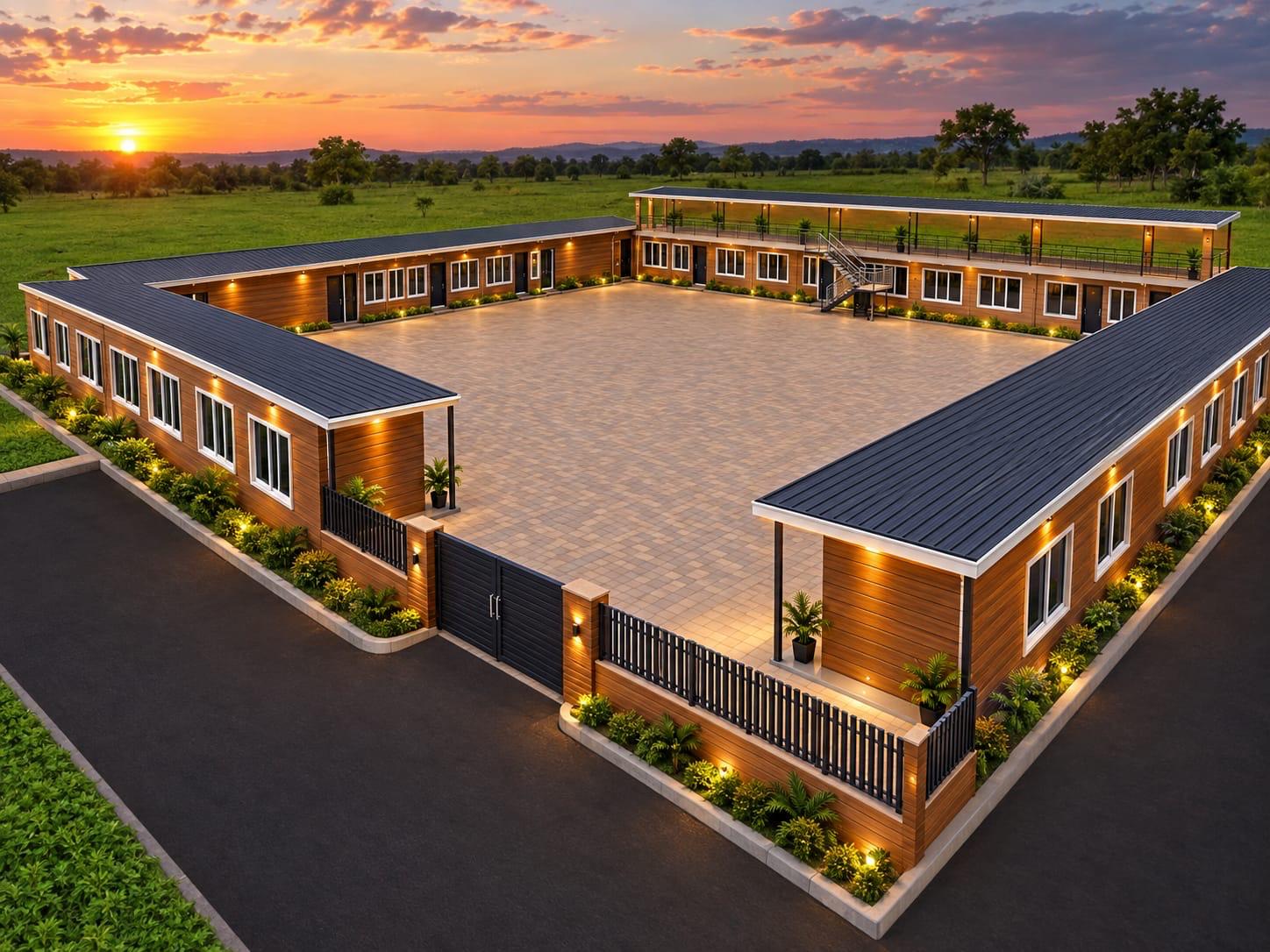
Spanning a 3.5-acre campus with 11 specialized facilities, the Al Huda Centre is planned to provide young girls with secure housing, nutritious meals, formal secular education, Qur’anic and Arabic studies, practical vocational training, and solar-powered water infrastructure.
However, building a campus like this is about more than constructing walls—it is about restoring futures.


The Reality Facing Orphaned Girls in Kenya
Kenya is home to over 2 million orphaned children. Over 50% of children across the country live in multidimensional poverty, deprived of essential access to healthcare, clean water, adequate nutrition, or safe shelter.
For orphaned girls in rural and semi-arid regions like Kajiado County— where poverty rates remain elevated and access to formal education is limited—the risks compound rapidly:
- Disrupted Education: Financial constraints and the loss of parental care force hundreds of thousands of school-age children out of school, leading to steep learning loss.
- Heightened Vulnerability: Without the safety net of a family or a supportive community, young girls face increased risks of early marriage, child labor, domestic exploitation, and chronic dependency.
- Intergenerational Poverty: Lacking functional literacy, digital skills, or marketable trades, vulnerable girls remain trapped in a cycle of poverty that persists for generations.
Why the Al Huda Model Works
Short-term interventions—such as food basket distribution—are critical in emergency crises, but they do not break the systemic forces keeping communities in poverty. The Al Huda Centre is built to provide long-term stability and true self-reliance:
- Comprehensive Protection & Care: The campus offers a safe, dignified living environment for cohorts of 50 orphaned girls entering at ages 7 to 8.
- Accredited & Holistic Learning: By integrating accredited formal national exams alongside Arabic and Qur’anic studies, the curriculum nurtures both spiritual and academic achievement.
- Vocational & Practical Empowerment: Practical skills—including computer literacy, tailoring, culinary arts, and entrepreneurship—prepare each student to enter the workforce or start a business as an independent adult.
- Sustainable Infrastructure: Featuring a solar-powered borehole, solar electricity, and a bio-digester system, the facility is designed to operate sustainably while delivering clean water and renewable power to the entire campus.
A Call to Action for Donors, Foundations, and Partners
When you educate and empower a girl, you transform an entire community. Educated women invest back into their families, improve health outcomes, and break intergenerational poverty cycles.
With a full-time, four-person operational team in Kenya led by our Country Director, Br. Mohammad Tariq, Droplets of Mercy offers direct oversight, maximum efficiency, and absolute operational transparency.
Whether you are an individual donor seeking a long-term Sadaqah Jariyah opportunity, a foundation driving sustainable development, or a fellow charity looking for a trusted implementing partner in Africa—our team is ready to deliver.
Join us in building a lasting legacy.
The first brick is down. Visit this page again to follow construction updates as the Al Huda Girls Orphan and Education Centre takes shape.